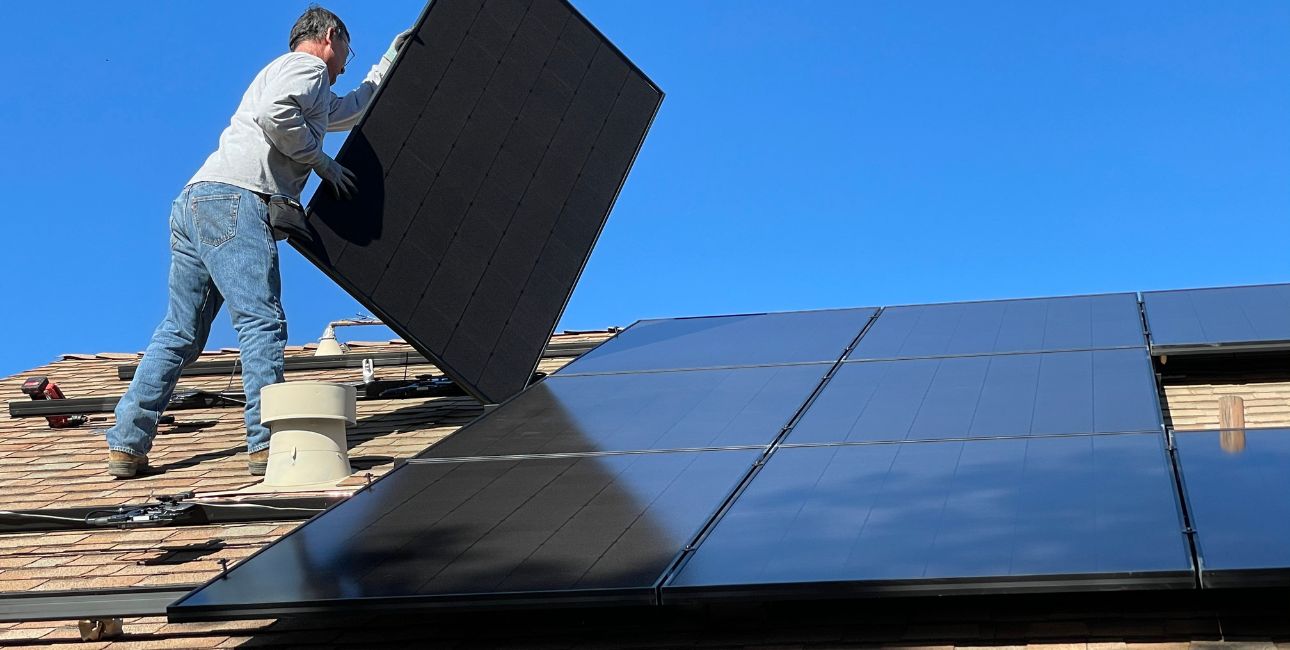
Understand the Different Types of Solar Panels
Picking the best solar panels for your home or business in Denver can be tricky. (However,) with so many different types of solar panels available, it's important to understand the differences between them before making a decision. Mono-crystalline and poly-crystalline are two of the most common types of solar cells used in photovoltaic systems. Mono-crytalline cells are made from a single crystal of silicon, which makes them more efficient at converting sunlight into electrical energy than poly-crystalline cells, but they cost more as well. Poly-crystalline cells are made from numerous small crystals fused together and are less expensive than mono-crystallines, however they produce slightly lower yields so you may need to install more panels to get the same amount of electricity.
Another type is thin film solar modules, which consist of a thin layer of photovoltaic material on a substrate like glass or plastic. These types have lower efficiency rates compared to mono and poly crystallines but they're cheaper to manufacture and easier to install! Plus, their non-reflective surfaces make them ideal for rooftops facing southward where there is high direct sunlight exposure. Lastly, concentrated solar power (CSP) systems use mirrors or lenses that concentrate sunlight onto an area that contains photovoltaic materials or heat transfer fluids - these are generally used in utility scale projects rather than residential applications though!
So when selecting the right panel for your home or business in Denver, it's vital to understand the different types first and consider all factors such as cost efficiency and installation difficulty before making an investment. One exclamation mark! With the right knowledge you'll be able to pick the best solar panel solution for your needs!
Research Local Installers in Denver
Researching local installers in Denver to pick the best solar panels for your home or business can be a daunting task! (With) so many companies and options available, it's hard to decide who you should trust. But if you do your research properly and pay attention to details, you can make sure you get the exact system that meets your needs.
First off, don't forget to check reviews and ratings of each installer. This will give you an idea of how reliable they are and how their customers rate them. You could also ask around among friends or family who have had a solar installation done recently. Negatively, be aware that some companies may try to offer too-good-to-be-true deals, so always compare prices before jumping at any offer.
Additionally, when researching local installers in Denver, make sure they're knowledgeable about different types of systems and what works best for your particular needs. Ask questions like: How long have they been doing this? Do they have any certifications? Are there any warranties offered? Also look into the company's background information to ensure its legitimacy.
Finally (To finish), find out if the installer has experience with different brands of solar panels - this is important because not all systems are created equal! Knowing which ones work better in certain climates or locations is essential in making sure your investment pays off over time. Furthermore, ask whether they provide maintenance services after installation; some contractors don't maintain their own products after selling them!
Overall, researching local installers in Denver takes time but it's worth it - from checking reviews to finding out warranty information - so you can make sure you're getting the perfect system for your home or business!
Consider Your Home’s Specific Needs
Choosing the best solar panels for your home or business in Denver can be a daunting task. It's important to (consider) your specific needs and wants before making this big decision! You'll need to take into account several factors, such as the size of your roof, its orientation, and the weather conditions in Denver. In addition, you should look at the type of panel you want (to install), their efficiency ratings, and their pricing. With all these considerations, it's easy to get overwhelmed by the selection process!
Transition: This guide will help you understand what to look for when selecting solar panels.
First off, consider the size of your roof and how much total space is available for installation. You don't want to buy more panels than will fit on your rooftop! Also take into account any shade that may inhibit energy production from certain parts of the roof during certain times of day. If there is considerable shading present, then you might want to opt for higher efficiency modules that still produce decent electricity even when partially shaded.
Next up is looking at panel types and their performance capabilities. Mono-crystalline panels are usually more expensive but tend to have higher efficiency ratings compared to polycrystalline or thin film options which are cheaper but less efficient overall. Your budget will likely dictate which route you take here so choose wisely!
Finally, make sure that they warranty covers any damage caused by extreme weather events like hail storms - something common in Denver’s climate! A solid warranty is essential if you're looking for long-term peace of mind with your investment!
In conclusion, choosing solar panels for your home or business in Denver requires careful consideration of available space on rooftops, panel types & performance ratings as well as warranties offered by manufacturers. Taking all these things into account can help ensure that you make an informed decision about what's best for you!
Calculate Your Budget for Installation and Maintenance Costs
Picking the best solar panels for your home or business in Denver can be quite a challenge. (It) requires not only research and calculations, but also budgeting for installation and maintenance costs. To make sure you get the best deal on your solar panel system, it's important to calculate your budget before committing to any purchase!
First thing's first: (you'll need to) determine how much money you're willing to invest upfront. This includes not only the cost of buying and installing the panels, but also any additional equipment like mounting hardware or an inverter. Once you've decided on a figure, subtract any available incentives from it - these may include rebates from local utility providers or even federal tax credits.
Next, factor in ongoing costs like repair and replacement parts as well as monthly energy bills after the solar panel system is installed. These can vary greatly depending on your particular setup; however, most people pay between $50 - $100 per month for maintenance fees alone! Don't forget to account for potential increases in electricity rates over time too.
Finally, review all of your financial information before making a decision. It doesn't hurt to get multiple estimates either - this will help ensure that you're getting the best price possible while still factoring in quality products and services. Plus, (it) never hurts to shop around and compare different companies' offers so that you can be confident that you're getting the most bang for your buck!
Overall, calculating your budget before investing in a new solar panel system is essential if you want to make sure that you get the most out of your investment! By taking into consideration factors such as upfront costs, ongoing fees and potential rate hikes down the line, you'll be able to make an informed decision about which option is best suited for both short-term savings and long-term value. Additionally, don't forget (to) take advantage of any applicable incentives or discounts when considering different vendors; these small changes can add up quickly!
Compare Technology and Efficiency Ratings
Picking the best solar panels for your home or business in Denver can be a daunting task! With so many options available, it's important to compare technology and efficiency ratings before making an investment. (First), you'll want to ensure that any solar panel you choose is certified by the UL (Underwriters Laboratories) or some other nationally-recognised testing laboratory. This will help guarantee that your panels are of high quality and will provide dependable service for years to come.
Moreover, when shopping for solar panels it's also wise to consider their technical specifications such as wattage, voltage output, and current rating. These features will help determine how much power the panel can reasonably generate during peak sunshine hours each day. Additionally, its important to research warranty information in case something goes wrong with one of your panels down the line.
Furthermore, you should also compare energy efficiency ratings among different models before buying. The SunPower E20 series is widely considered one of the most efficient type of solar panel on the market today with an industry-leading 22% efficiency rate. However, other models such as LG NeON 2 or Canadian Solar have ratings ranging from 18%-19%, which is still very competetive and may be more suitable for certain budget size requirements.
In conclusion, picking out the best solar panels for your home or business in Denver requires careful consideration regarding both technology and efficiency rating reviews. By doing some research beforehand and asking around for advice from professionals in the field, you can make an informed decision about what type of system best suits your needs! In any event, investing in a good quality set of solar panels is sure to pay off over time - not only in terms of financial returns but also by helping reduce carbon emissions too!
Understand Solar Panel Warranties
Picking the best solar panels for your home or business in Denver can be a daunting task. However, if you understand solar panel warranties (and their associated benefits), then the choice gets easier! Warranties provide peace of mind that your system will last for years to come and will be there when you need it.
Not all warranties are created equal, however. A good warranty should include coverage for manufacturing defects, workmanship issues and even power output guarantees. The length of these warranties varies depending on the type of solar panel and manufacturer but they generally range from 10-25 years.
Additionally, it's important to know who is responsible for making any repairs under the warranty as well as what type of service is available during an outage or other issue with your system. Many companies offer toll-free customer support or maintenance services so you don't have to worry about finding a qualified technician to fix your panels if something goes wrong. It's also worth noting that some manufacturers may require periodic inspections or maintenance in order to keep the warranty valid!
Finally, make sure you read through the fine print of any warranty before committing yourself to a purchase. Pay attention to special clauses such as transferability in case you decide to sell your home or business later on down the line as well as geographic restrictions which could impact how much coverage is provided by the warranty itself. Doing this research ahead of time will help ensure that you get the most out of your investment!
In conclusion, understanding solar panel warranties can make selecting the best option for your Denver home or business much simpler. From determining who is responsible for repairs and service calls to reading up on fine print clauses - taking the time to research different options now can save you a lot of headaches further down the road!
Analyze Your Home's Sun Exposure
Analyzing your home's sun exposure is an important step in picking the best solar panels for your home or business in Denver. Knowing how much sunlight your property gets will help you determine if solar energy is a viable option and what type of system would be most appropriate for you. (Negation) Not only that, but it will also give you an idea of how much energy production to expect from your panels.
First, (Interjection) oh look at the time! You should observe and record information about the amount of sunlight that reaches different areas of your property throughout the year. To do this, (Contraction)you'll need to take measurements several times a day at different times during the year and then average them out. Additionally, take note of when trees, buildings, or other structures might potentially block the sun's rays from hitting certain parts of your roof or yard.
Furthermore, consider any local regulations that may limit or restrict where and how many solar panels can be installed on a given property. For instance, some cities have rules regarding rooftop solar installations that must be followed in order to obtain permits to install them. (Exclamation Mark!) Taking into account these details as well as other factors such as roof orientation and angle can all influence how much power your panels will generate over time.
In conclusion, analyzing your home's sun exposure is an important step towards choosing the right solar panel system for you in Denver! It not only helps you decide whether it makes sense to add photovoltaics to begin with, but also provides valuable information about positioning and size so that you can maximize energy production while still complying with local laws and regulations.
Choose an Experienced and Reputable Solar Panel Company
Choosing the best solar panels for your home or business in Denver can be a daunting task. To ensure you're making a wise investment, it's important to (find) select an experienced and reputable solar panel company. There are numerous companies out there that offer services related to solar panel installation; however, not all of them possess the same level of expertise and trustworthiness.
Before making a selection, take some time to research each potential candidate thoroughly. You'll want to check their credentials and customer reviews online. Additionally, ask them questions about their experience in the industry, as well as any warranties they may provide on their work! It's also advisable to enquire about post-sales services - find out if they offer ongoing maintenance packages or emergency repairs in case something goes wrong after installation.
Besides researching the company itself, another thing you should consider is the type of solar panel system they will install - compare different models and brands based on efficiency rating and cost effectiveness. Also look into whether it is compatible with any existing equipment you already have installed in your home or business premises! Make sure you get several quotes from different suppliers before making a decision so that you can get the best deal possible!
Finally, don't forget to inquire about any tax rebates available for installing solar panels in Denver too! These could save you money down the line and make your investment even more worthwhile. By taking these steps before signing up with an experienced and reputable solar panel company, you'll be able to make an informed choice that will bring long-term benefits for years to come!