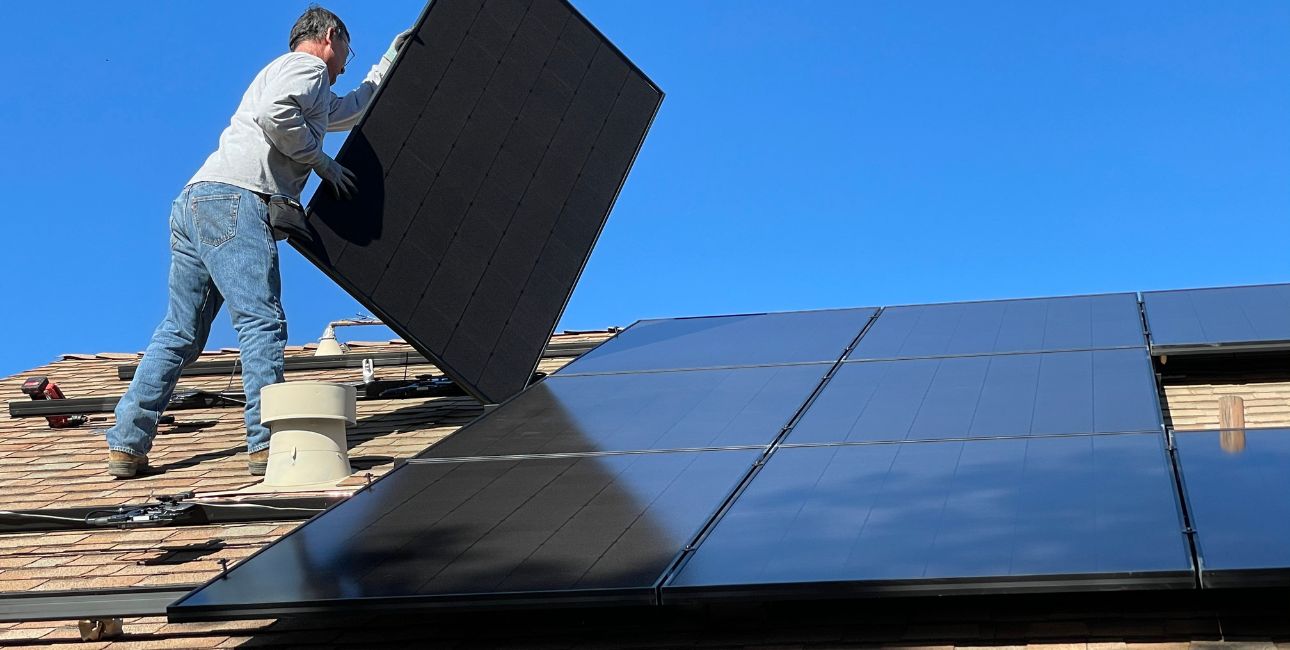
Definition of Solar Panels and Whole System
Solar panels and a whole system are two different ways of harnessing the power of the sun in Denver. Solar panels are individual, flat devices that capture solar energy and convert it into electricity. They're typically mounted on rooftops or other structures that get direct sunlight for most of the day. On the other hand, a solar system is an entire setup that consists of several components to produce electricity from the sun's rays. (It) usually includes mounting structures, an inverter, wiring and batteries.
There are some key differences between installing solar panels and a whole system in Denver: cost, efficiency, and maintenance. Installing a solar panel can be quite expensive; however, if you just need a small amount of electricity then it may be worth it. Additionally, since one panel produces only limited amounts of energy it could take longer to generate enough electricity to meet your needs compared to a whole system. Furthermore, although solar systems require more upfront investment they can be more efficient overall since you don't have to purchase additional equipment over time unlike single solar panels! Finally, when it comes to maintenance costs for either option depend largely on how well-maintained they are; however, since there's more moving parts with a full system there may be more maintenance involved which could add up over time!
In conclusion, while both options offer clean energy from the sun in Denver there are some major differences between installing solar panels versus having a complete system set up. It really depends on what your goals are as well as what kind of budget you have available for installation and upkeep costs. Nonetheless when done right either one can provide reliable green energy for years to come!
Benefits of Installing Solar Panels and Whole System in Denver
Installing solar panels and a whole system in Denver can be quite different. Solar panels are a great way to reduce energy costs and become more sustainable, but for those looking for a comprehensive approach, installing an entire system may be the better option! With a full system, you'll get all of the (advantages) of solar power but with more control over how your energy is used.
One key difference between just installing panels and putting in an entire system is that with the latter, you'll have access to more components such as inverters, batteries and wiring. These components help ensure that your solar energy is optimally used so it's not wasted or lost through inefficient distribution. Plus, having these extra pieces gives you the ability to store energy for later use or even sell any excess back onto the grid for profit!
Another (significant) difference between installing just solar panels or a full system is cost. Generally speaking, getting a complete setup will cost much more than just adding some PV modules. However, this upfront cost can often be offset by generous tax credits from both state and federal governments which makes it much easier to make a return on your investment over time!
Addingly , having an integrated system provides much more flexibility when it comes to customization options. You have total control over where each component goes and how they're configured. This means you can tailor your setup exactly to fit your needs - whether that's maximizing efficiency or saving money on installation fees - unlike simply buying pre-packaged solar panel kits!
Overall, while both installing solar panels and a whole system have their benefits in Denver, opting for the latter will give you far greater freedom when it comes to customizing your renewable energy setup. In addition, there are plenty of incentives out there which lessen up-front costs making investing in an integrated solution even more attractive!
Cost Differences Between Solar Panels and Whole System
Installing solar panels and a whole system in Denver can be quite different. The cost (differences) between the two can vary significantly! While (a) solar panel installation is typically cheaper, it does not come with the same benefits and features as a complete system. A whole system includes batteries, inverters and other components that make it more efficient and reliable than just installing some panels alone.
The initial cost to install these systems can be quite high; however, over time they will save you money on your electricity bill. Solar panels are usually less expensive up front but may require additional maintenance down the line which could increase their total cost. Whole systems, on the other hand, have a greater initial investment but provide more comprehensive energy savings in the long run.
Moreover, while solar panels are generally easier to install than entire systems, they do not offer as much flexibility or control when it comes to powering your home or business. Complete systems offer more options for controlling your energy usage and help you maximize your savings potential by allowing you to better manage how much power you use at any given time.
Overall, there are many differences between installing solar panels versus a full system in Denver that should be taken into consideration before making a decision. While both investments have their own pros and cons, investing in an entire system may be the best way to go if you want maximum efficiency and control of your energy consumption. Ultimately though, it all depends on your individual needs and budget constraints!
Requirements for Installing a Solar Panel or Whole System in Denver
Installing solar panels and a whole system in Denver are two very different processes! While both involve harnessing the sun's energy, they differ significantly in how they do it. Solar panel installation requires mounting individual solar modules on a roof or other structure. This setup can be used to power one home appliance, multiple appliances, or even an entire house (depending on the size of the system). On the other hand, installing a whole system involves connecting several components together to create a complete solar energy system - including batteries for storing extra electricity and inverters for converting DC current from the panels into AC current that can be used by your home's electronics.
Transition: In addition to these differences, there are also requirements to consider when installing either type of system in Denver.
For solar panel installations, you'll need to make sure you have adequate space for the number of modules required for your desired output; if you don't have enough room on your roof, ground-mounted systems may be an option. You will also need wiring that meets local codes and permits from the city before commencing with installation. As far as a full system goes, you'll need all those same things plus additional equipment like batteries and inverters to actually use the energy generated by your panels. Furthermore, depending on where you live in Denver there may be additional regulations that must be met prior to installation - so make sure to check with local authorities!
All in all, whether you're just getting started with solar energy or looking to upgrade your existing setup in Denver, understanding what is entailed between installing solar panels versus a whole system is essential!
Risks Involved with Installing a Solar Panel or Whole System in Denver
Installing solar panels and a whole system in Denver both have their benefits, but there are some risks involved with each. Installing both requires careful consideration of all the factors to ensure a safe and successful project. Solar panels provide clean energy, but they can be costly to install and maintain (depending on where you live). Additionally, it’s important to not over-install your system; otherwise, you could end up with too much power for your home.
A whole solar system is a larger investment than just installing individual panels, but it can provide more reliable energy production due to the additional components included in the installation. An entire system consists of photovoltaic cells, an inverter, controllers and batteries for storage. Plus, it offers greater flexibility in terms of what type of energy you want to produce - from electricity to thermal or mechanical power. However, there are also some risks associated with this option as well - such as having to replace parts that may fail over time or dealing with complex wiring issues if something goes wrong!
To sum up, while both options have their advantages when it comes to installing solar in Denver, there are also risks involved which must be taken into account before making a decision on which route to go down. Therefore, be sure to research thoroughly before taking the plunge! Then again(!), it's worth considering that these solutions offer great long-term savings on energy costs despite any short-term hiccups along the way!
Maintenance Needs for Maintaining a Solar Panel or Whole System in Denver
Installing solar panels (or a whole system) in Denver can be a great way to save money on electricity costs and help the environment. But there's a big difference between the two! Solar panel installation involves mounting photovoltaic modules onto your roof or an open area, connecting them up to an inverter, and integrating them into your home’s electrical system. A whole system includes all of this plus additional components like batteries, charge controllers, and more—allowing you to store energy for use when the sun isn’t shining.
But that’s not all: each one requires different maintenance needs. With solar panels alone, you'll need to ensure they're kept clean so they can capture as much sunlight as possible; if they become too dirty or blocked by debris, their efficiency will decrease drastically! You may also have to check the wiring occasionally and make sure everything is properly aligned so that it works optimally. On the other hand, with a full solar system, you'll need to be even more vigilant about cleaning and connection — plus you must regularly inspect and replace any worn-out parts.
Moreover, it is important to understand that both set ups require periodic inspections from experienced professionals who can detect potential issues before they become serious problems. And don't forget about warranties: many companies offer some type of guarantee for their products which could come in handy if something goes wrong!
In conclusion, while there are similarities between installing solar panels and a full system in Denver, there are also key differences that should be taken into consideration before making a final decision--and understanding what kind of maintenance each requires is critical. So do your research well - it'll pay off in the long run!
Tips for Choosing the Right Solar Panel or Whole System for Your Home In Denver
Installing solar panels and a whole system in Denver can be quite different, though both offer the same result: renewable energy for your home! While solar panels are much simpler to install (and less expensive!), they don't provide the full range of benefits that a whole system does. To determine which option is right for you, here are some tips to consider:
First, think about what you want from your new system. Do you want it to power just one appliance or the entire house? Solar panels alone may not be enough to meet all your needs. (Plus, installing more than one panel can get costly!) On the other hand, a complete system will come with everything you need for reliable power production and storage.
Secondly, make sure to weigh up cost vs. benefit. Solar panels are typically cheaper upfront but may not produce as much energy as an entire system would. So if you're looking for maximum efficiency, then investing in a whole system could be worth it in the long run! Additionally, look into any tax credits or rebates available in Denver that could help offset the cost of installation.
Finally, don't forget about maintenance! Installing solar panels require periodic cleaning and inspection whereas a whole system will usually come with built-in monitoring and maintenance features. This could save you time and effort in keeping your system running optimally!
So there's no "wrong" choice when choosing between solar panels or a whole system - it all depends on your individual needs and budget. But by taking into account these tips for choosing the right solar panel or whole system for your home in Denver, you should have no problem making an informed decision!
Conclusion - Advantages of Installing Solar Panels and a Whole System in Denver
The differences between installing solar panels and a whole system in Denver are many. First of all, solar panels require more complex installation than just a full system. Solar panels must be individually mounted to the roof or other surface and connected to an inverter. On the other hand, with a complete solar energy system, all components such as racks, wiring and mounting hardware come pre-assembled for easy installation. (In addition), with solar panels you will need to invest in batteries to store excess energy, while with a complete system there is no additional investment needed as it includes batteries already.
Despite these differences though, there are significant advantages that come from installing either option in Denver! For one thing, both types of systems can generate electricity for homes and businesses at much lower cost than traditional sources like grid power. Moreover, they don't produce any air pollution or carbon emissions which makes them great for the environment! In addition, they can provide reliable energy even during cloudy days or when the utility grid goes down. Finally(,) both systems qualify for state and federal incentives meaning they could potentially save you money over time!
Overall then, installing either solar panels or a complete system in Denver has several benefits that make them worth considering if you're looking to switch up your energy source! And while each option comes with its own set of advantages and disadvantages, it's clear that investing in either one would be beneficial in terms of efficiency and cost savings.